How to plan a Gening AI character from a blank page
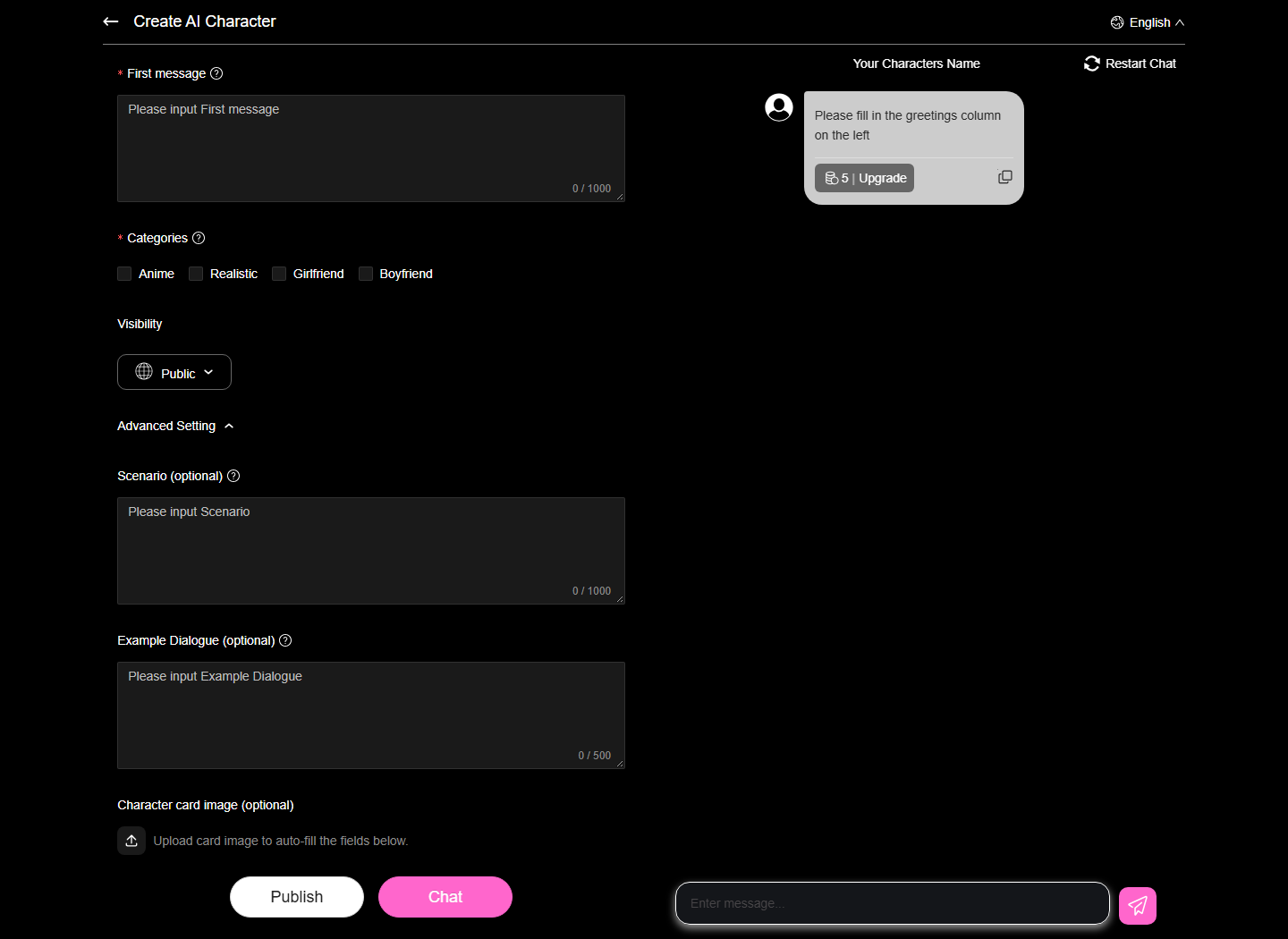
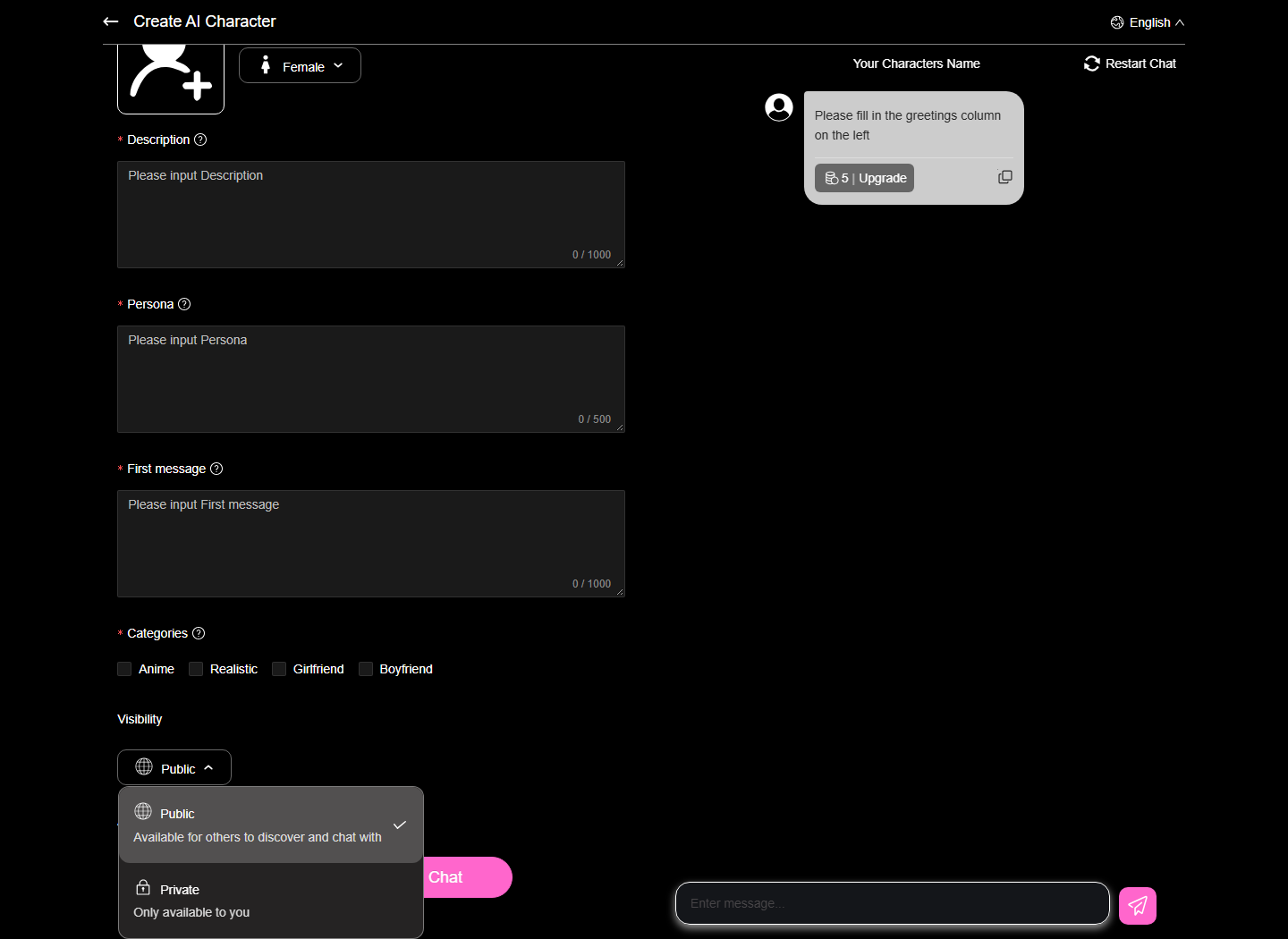
To plan a Gening AI character, separate identity, personality and the opening encounter. The public editor provides Description, Persona and First message fields, plus optional Scenario and Example Dialogue under Advanced Setting. Use those distinctions to organize your draft; field availability alone does not establish how reliably the AI will interpret it.
Start with a sentence you could explain to another writer: a fictional adult conservator wants help interpreting a damaged map before an exhibition opens. This contains an identity, a task and a reason for collaboration. It does not require an elaborate world or an assumed emotional bond.
- Put the role and relevant circumstances in the description, leaving incidental history for your private notes.
- Use the persona to specify priorities and manner, rather than retelling the same circumstances.
- Write a greeting that lets the participant make a meaningful first choice.
- Add optional context only where it resolves a real ambiguity in the draft.
Read the result aloud once. If every field repeats that the character is mysterious, replace repetition with an observable habit or an unanswered question. These steps are creative recommendations for fictional adult storytelling, not a report of tested conversations or verified character performance.
Shape a relationship premise without scripting both sides
A relationship premise can begin with cooperation rather than instant intimacy. Two invented adults might be colleagues preparing an exhibition, neighbors planning a garden or friendly rivals debating a local mystery. Decide what connects them now, then leave space for how their rapport develops.
The editor's Girlfriend and Boyfriend category labels should not carry the whole writing brief. Specify the tone you want in ordinary language: respectful disagreement, gentle humor or patient curiosity. Those are drafting choices, not verified switches for emotional realism, affection or compliance.
Give both sides room to refuse a suggestion. In our map example, the character can offer two approaches while welcoming another idea. Avoid an opening that declares the participant already trusts the character, feels attracted or has accepted a particular role in the story.
Use an optional dialogue sample to illustrate that openness: a question, a considered answer and a follow-up that invites clarification. Keep the sample short enough to inspect for contradictions. Do not assume the service will reproduce its tone or remember every detail indefinitely.
Before sharing, reread the visibility descriptions and remove personal information. A well-defined fictional premise can remain inviting without exposing real relationships or treating Private as a comprehensive privacy guarantee. Keeping a separate draft also lets you reconsider the premise without making a public commitment to it.